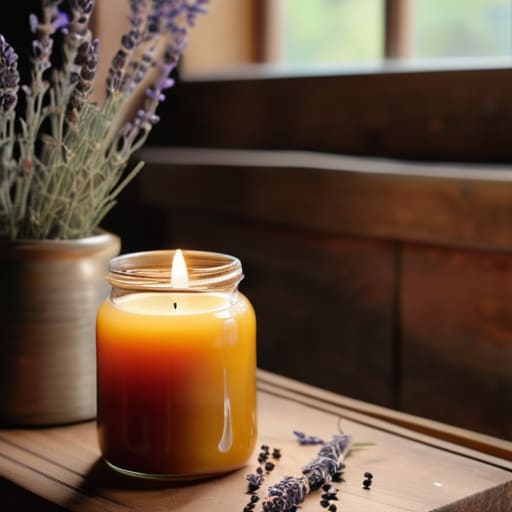
How to Make Your Own Candles at Home
I remember standing in my tiny kitchen back in Maine, surrounded by half-melted paraffin scraps and a scent so artificial it felt like it was bruising my lungs. I had spent a small fortune on “luxury” store-bought candles, only to realize they were essentially just petroleum products masquerading as home decor. It was a frustrating wake-up call that led me to wonder: why is it so difficult to learn how to make candles that actually honor the environment instead of harming it? I realized then that true sustainability isn’t about perfection; it’s about intentionality and choosing ingredients that breathe life into a room rather than toxins.
In this guide, I’m stripping away the complicated jargon and the overpriced, unnecessary kits to show you the real way to craft light. I’ll walk you through selecting clean, plant-based waxes and sourcing scents that feel like a walk through a coastal forest. You won’t find any fluff here—just honest, no-nonsense steps to help you master the craft with style and substance. Let’s turn your living space into a sanctuary of sustainable glow, one hand-poured jar at a time.
Table of Contents
Guide Overview
Tools & Supplies
- Double boiler or heat-safe pitcher for melting wax
- Thermometer to monitor wax temperature
- Pouring pitcher for controlled pouring
- Wick centering tool or clothespin to hold wicks in place
- Soy or paraffin wax (1-2 lbs)
- Candle wicks (set of 5-10)
- Fragrance oils (1 oz)
- Candle jars or tins (3-5 units)
Step-by-Step Instructions
- 1. First things first, let’s gather our sustainable essentials. You’ll want to source some high-quality, natural wax—I personally swear by soy or beeswax because they burn cleaner than the petroleum-based stuff. Grab some cotton wicks, a few glass jars (I love repurposing old jam jars!), and your favorite essential oils to capture the scents of the coast.
- 2. Once your supplies are laid out, it’s time to melt the wax. Using a double boiler is the gentlest way to heat your wax without scorching it, which keeps the integrity of the ingredients intact. Set your heat to medium-low and let it melt slowly, much like the patient rhythm of the tides back home in Maine.
- 3. While the wax is melting, prep your vessels by centering the wick. A tiny bit of melted wax or a wick sticker will hold it firmly at the bottom of your jar. I find that using a small wooden clothespin to prop the wick upright helps keep everything perfectly straight while the wax sets.
- 4. Now comes the fun part: the infusion. Once your wax is fully liquid and has cooled just a hair, stir in your essential oils. I like to aim for a ratio that feels intentional—not overwhelming, but enough to create a sensory experience that turns your living room into a sanctuary.
- 5. Carefully pour your scented wax into your prepared jars. Do this slowly to avoid creating air bubbles, which can disrupt the burn later on. If you’re feeling particularly creative, this is the perfect moment to drop in a few pieces of sea glass at the bottom or sides of the jar for a beautiful, textured aesthetic.
- 6. Patience is your best friend here. Let your candles sit undisturbed at room temperature to cure completely. This isn’t just about waiting; it’s about giving the wax and oils time to truly bond, ensuring a scent throw that is both subtle and sophisticated.
- 7. Finally, once they are fully hardened, trim your wicks to about a quarter inch. This small, simple act is the secret to a clean, steady flame. Now, light your creation, take a deep breath, and enjoy the glow of a habit that honors both your home and our planet.
Curating Your Soy Wax Candle Making Supplies
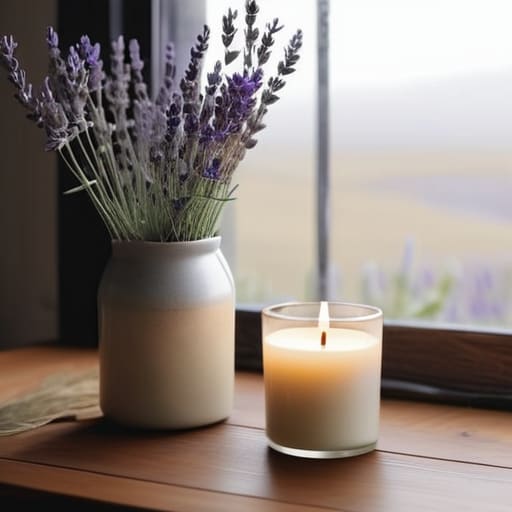
When you’re first diving into candle making for beginners, the sheer volume of options can feel a bit overwhelming—sort of like staring out at the Atlantic on a foggy morning. My best advice? Focus on quality over quantity. Instead of grabbing a massive, generic kit, I recommend sourcing high-quality soy wax candle making supplies that align with your values. For instance, choosing a clean-burning soy wax isn’t just about the aesthetic; it’s about ensuring that the air in your home remains as pure as the coastal breeze back in Maine.
As you curate your toolkit, pay close attention to the small details that make a massive difference in the final burn. It’s not just about the wax; you’ll need to research different wick types for different waxes to prevent tunneling or soot. And when it comes to fragrance, I’m a huge advocate for using pure essential oils for scented candles. They offer a much more nuanced, grounding aroma than synthetic perfumes, allowing you to craft a sensory experience that feels truly intentional and connected to the natural world.
Mastering Candle Making for Beginners With Style
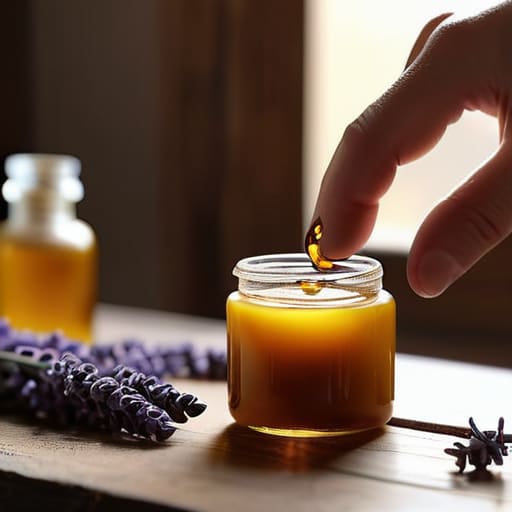
Once you’ve gathered your soy wax candle making supplies, the real magic happens in the details. It’s easy to get caught up in the technicalities, but I always suggest slowing down to appreciate the sensory experience. When you’re exploring how to scent homemade candles, don’t just follow a recipe blindly; experiment with different ratios of essential oils to find a signature aroma that feels like home. Whether it’s a crisp coastal pine or a calming lavender, your scent profile is where your personal story truly meets the craft.
Another area where beginners often stumble is the subtle science of the burn. Choosing the right wick types for different waxes is a total game-changer for ensuring your creation looks as good as it smells. A wick that’s too small will tunnel, while one that’s too large can create a smoky flame that disrupts that cozy, intentional vibe we’re aiming for. Think of it as fine-tuning your digital aesthetic—it’s those small, precise adjustments that elevate a simple hobby into a truly polished, eco-chic ritual.
Small Shifts for a Cleaner Burn: My Pro-Tips for Sustainable Candle Crafting
- Mind your fragrance load; while it’s tempting to go heavy on the scents, using essential oils or high-quality phthalate-free fragrances ensures your home stays fresh without compromising your indoor air quality.
- Don’t overlook the wick; choosing a cotton or FSC-certified wood wick isn’t just about a pretty flame, it’s about ensuring a steady, soot-free burn that respects the environment.
- Embrace the beauty of upcycling; instead of buying new vessels, try repurposing old glass jars or even thrifted ceramic mugs to give your candles a unique, soulful character.
- Patience is your best ingredient; let your candles cure for at least a week before lighting them, as this allows the soy wax to fully bond with the scent for a much more intentional experience.
- Temperature is everything; keep a digital thermometer handy to ensure you’re adding your oils at the perfect moment, preventing them from evaporating too quickly and wasting your precious resources.
Small Steps, Brighter Impact
Remember that sustainability isn’t about perfection; it’s about making intentional swaps, like choosing soy wax over paraffin, to honor the planet with every glow.
Embrace the creative process by blending your personal style with eco-friendly materials, turning a simple hobby into a meaningful expression of your values.
View every candle you craft as a small, beautiful victory for the environment—a reminder that our daily, mindful choices truly do ripple outward.
The Soul of the Flame
Making a candle isn’t just about following a recipe; it’s about the intentionality of what we bring into our homes, choosing ingredients that honor the earth so that every flicker of light feels like a small, glowing victory for the planet.
Jordan Mitchell
Lighting the Way Forward
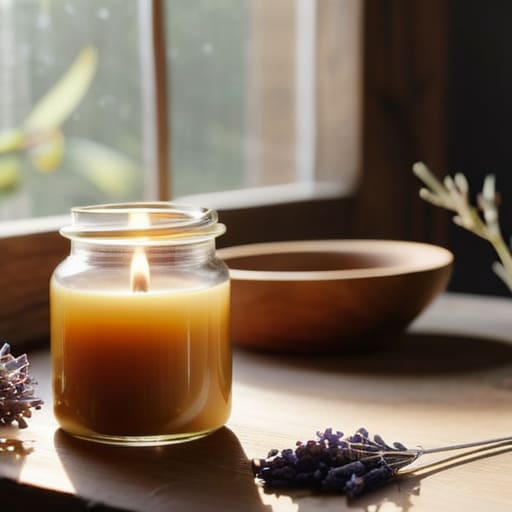
As we wrap up this journey from raw soy flakes to those beautiful, glowing finished products, I hope you feel more confident in your ability to create something truly special. We’ve covered everything from selecting the right sustainable supplies to mastering the delicate temperature control required for a flawless burn. Remember, the goal isn’t just to make a candle, but to cultivate a process that is intentionally mindful of the footprint we leave behind. By choosing clean waxes and eco-friendly wicks, you aren’t just crafting a home accessory; you are actively rejecting the cycle of mass-produced waste in favor of something personal, artisanal, and kind to our planet.
At the end of the day, these small, flickering lights represent much more than just a pleasant scent in a room. Each candle you pour is a testament to the idea that we can live beautifully without compromising our values. Whether you’re gifting a jar to a friend or setting the mood for a quiet evening of reflection, let these flames remind you that small, everyday actions are the sparks that ignite much larger movements. Keep experimenting, keep creating, and never underestimate the power of choosing a more sustainable path. Let’s continue to turn our homes into sanctuaries of conscious and stylish living, one glow at a time.
Frequently Asked Questions
How can I ensure my homemade candles are safe to burn without releasing any hidden toxins into my living space?
This is such a vital question. To keep your sanctuary truly clean, it all starts with what you put into the wax. Always opt for 100% natural soy or beeswax and skip those synthetic fragrance oils, which can hide phthalates. Instead, reach for pure essential oils. Also, never overlook your wick; stick to organic cotton or FSC-certified wood wicks. It’s about being intentional with every ingredient so your glow remains pure.
I love the look of different scents, but which essential oils actually work best with soy wax without losing their aroma?
That is such a great question! It’s easy to get caught up in the aesthetics of a scent, but soy wax can be a bit finicky with its “scent throw.” For the best results, I recommend leaning into citrus oils like sweet orange or bergamot, alongside earthy notes like cedarwood or lavender. They tend to hold their integrity beautifully. Just remember to test your ratios—a little patience goes a long way in capturing that perfect, natural aroma.
Is there a way to upcycle old glass jars or even use my sea glass finds to create something truly unique and sustainable?
Absolutely! This is where the magic really happens. I’m a huge believer in giving forgotten objects a second life. Don’t toss those empty jam jars; a quick soak in warm, soapy water turns them into beautiful vessels. And for something truly special? Use my favorite trick: press your sea glass finds into the sides of clear wax or use them as decorative accents around the rim. It turns a simple candle into a one-of-a-kind piece of coastal art.
