
How to Stop Checking Your Phone Every Five Minutes
I was sitting on a driftwood log in Maine last week, the salt air thick and the tide pulling back with that rhythmic, heavy hush, when I realized I hadn’t actually seen the ocean in twenty minutes. Instead, my thumb was mindlessly scrolling through a feed of curated perfection, my eyes glazed over by the blue light of a screen that felt increasingly hollow. It’s a frustrating cycle, isn’t it? We’re told that finding how to stop checking your phone requires expensive “digital detox” retreats or complex app-blocking software that feels more like a chore than a lifestyle change. But honestly, those high-tech fixes often just add more noise to an already cluttered mental landscape.
I’m not here to sell you a productivity hack or a way to turn yourself into a mindless drone. My goal is to share what I’ve learned through trial, error, and a lot of intentional living: how to reclaim your presence from the digital tide. I’ll be offering you honest, grounded strategies that blend modern digital literacy with the kind of mindful habits that actually stick. We’re going to move past the gimmicks and focus on reconnecting with the tangible world around us, one small, intentional step at a time.
Table of Contents
- Understanding the Dopamine Loop and Smartphone Use
- Setting Digital Boundaries to Protect Your Inner Peace
- Reclaiming Your Rhythm: Five Intentional Shifts to Break the Digital Pull
- Small Shifts for a More Present Life
- Finding the Rhythm Beyond the Screen
- Reclaiming Your Rhythm
- Frequently Asked Questions
Understanding the Dopamine Loop and Smartphone Use

To really tackle this habit, we have to look under the hood at what’s actually happening in our brains. It isn’t just a lack of willpower; it’s biology. Every time we hear that familiar ping or see a red notification bubble, our brain releases a tiny hit of dopamine—the same chemical responsible for the rush we get from finding something beautiful on a beach or seeing a hive thriving in the spring. This creates a relentless dopamine loop and smartphone use cycle that keeps us scrolling, searching for that next micro-reward that never quite satisfies us.
The problem is that these digital hits are designed to be unpredictable, much like the shifting tides of the Maine coast. This constant interruption makes improving focus and attention span feel like an uphill battle against our own neurochemistry. We aren’t just checking a device; we are responding to a sophisticated feedback loop that pulls us away from the present moment. Recognizing that this is a physiological response, rather than a personal failing, is the first step toward reclaiming our mental space and finding our way back to a more grounded, intentional way of living.
Setting Digital Boundaries to Protect Your Inner Peace

Establishing healthy limits isn’t about punishing yourself or retreating to a cave; it’s about reclaiming the mental space that these devices so often colonize. I’ve found that setting digital boundaries works best when you treat your attention like a precious natural resource—something to be curated, not squandered. Start small by designating “sacred zones” in your home, like the dining table or the bedroom, where the glow of a screen simply isn’t invited. By creating these physical buffers, you begin the vital process of improving focus and attention span without feeling like you’re fighting an uphill battle against your own habits.
Another approach that has transformed my daily rhythm is implementing intentional “tech-free windows” during the golden hours of the morning or evening. Instead of letting notifications dictate your mood the moment you wake up, try leaning into mindful technology consumption by checking your device only after you’ve had your coffee or finished a short walk. It’s about moving from a reactive state to a proactive one, ensuring that you are the architect of your day rather than a passenger to the endless scroll.
Reclaiming Your Rhythm: Five Intentional Shifts to Break the Digital Pull
- Curate Your Digital Landscape: Start by auditing your notifications. If an app isn’t serving your growth or your peace, silence it. I like to think of it as weeding a garden—removing the digital noise allows the things that actually matter to breathe and flourish.
- Create Tech-Free Sanctuaries: Designate specific zones in your home, like the dining table or the bedroom, as phone-free havens. Just as I find solace in the quiet of the Maine coastline, your mind needs spaces where the glow of a screen can’t reach you.
- Embrace the “Analog Buffer”: Before you reach for your phone in the morning, give yourself twenty minutes of something tactile. Whether it’s tending to your bees, sipping coffee while watching the sunrise, or even just sketching, let the real world anchor you before the digital tide rolls in.
- The Out-of-Sight Rule: When you’re working or engaging with loved ones, put your phone in another room or tucked deep inside a drawer. If it’s not a constant visual cue, you’ll find that the impulse to “just check one thing” begins to fade naturally.
- Practice Mindful Micro-Breaks: Instead of scrolling when you feel a moment of boredom or tension, try a grounding exercise. Take three deep breaths or notice the texture of something near you. It’s about replacing a reactive habit with a proactive, soulful connection to the present moment.
Small Shifts for a More Present Life
Treat your attention like a finite natural resource; protect it from the digital tide by choosing intentionality over mindless scrolling.
Replace the instant gratification of a screen with the slow, restorative joy of tactile hobbies, whether it’s tending to your bees or hunting for sea glass.
Remember that reclaiming your focus isn’t about total deprivation, but about creating space to reconnect with the real, breathing world around you.
Finding the Rhythm Beyond the Screen
“We often trade the profound, quiet magic of the present moment for the hollow flicker of a notification, forgetting that the most meaningful connections aren’t found in a feed, but in the steady, intentional pulse of the world right in front of us.”
Jordan Mitchell
Reclaiming Your Rhythm
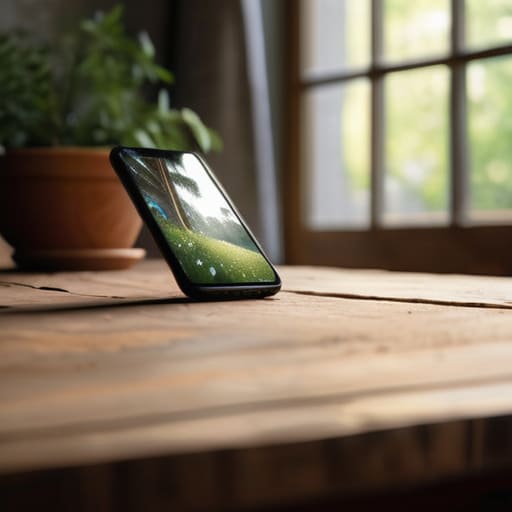
As we wrap up this journey of digital mindfulness, remember that breaking the cycle of constant scrolling isn’t about total deprivation; it’s about intentionality. We’ve explored how understanding that relentless dopamine loop can help you pause, and how setting firm digital boundaries acts as a sanctuary for your mental well-being. By recognizing these patterns, you aren’t just “quitting” a device—you are actively reclaiming your cognitive sovereignty and choosing to live with more purpose. It’s about shifting from a state of constant reaction to one of thoughtful presence, ensuring that your technology serves your life rather than dictating it.
Ultimately, I want you to look up from the glow of your screen and notice the textures of the world around you. Just as I find beauty in the weathered edges of a piece of sea glass, there is profound, quiet beauty in the unscripted moments that happen when we aren’t documenting them for an audience. Every time you choose a book over a feed, or a sunset over a notification, you are casting a vote for a more grounded, authentic version of yourself. Let’s commit to living more deeply and connecting more truly, one mindful, unplugged moment at a time.
Frequently Asked Questions
How can I manage the anxiety or "FOMO" that hits when I actually step away from my notifications?
That hollow feeling in your chest? That’s just the digital tide receding. When that FOMO hits, don’t fight it—redirect it. Instead of scrolling to fill the void, lean into a sensory ritual. Grab a handful of sea glass, tend to your bees, or simply breathe in the scent of damp earth. You aren’t missing out on life; you’re finally showing up for it. Trade the phantom buzz for real-world presence.
Are there any eco-friendly or low-tech tools you recommend to help replace the habit of mindless scrolling?
Instead of reaching for that glowing screen, try reconnecting with something tactile. I’ve found that keeping a beautifully bound paper journal or a simple sketchbook nearby is a game-changer; it turns restless scrolling into mindful reflection. Even something as analog as a dedicated reading nook with a physical book or a small gardening kit can ground you. These low-tech treasures don’t just save your focus—they invite a slower, more intentional rhythm back into your life.
How do I maintain these digital boundaries during work hours without feeling like I'm missing something vital?
I totally get that “FOMO” anxiety—it’s like trying to stay grounded while a digital tide pulls at your ankles. To stay focused without the panic, try “batching” your connectivity. Instead of constant checking, schedule specific windows to dive into your inbox. This turns your phone from a constant distraction into a tool you control. Trust me, the world won’t stop turning if you respond in an hour; in fact, your work will breathe much deeper.
