
How to Set New Year Goals That Don’t Fizzle Out
I was sitting on my porch last January, staring at a pristine, empty planner and feeling absolutely nothing but overwhelming guilt. We’ve all been sold this glossy, high-octane lie that goal setting for the new year requires a complete identity overhaul and a mountain of expensive, color-coded stationery. It’s that relentless “hustle culture” pressure to transform into a brand-new person overnight, and frankly, it’s exhausting. To me, those massive, unrealistic resolutions feel less like growth and more like a storm surge that leaves you washed up and depleted on the shore by February.
I’m not here to sell you on a radical lifestyle overhaul that feels impossible to maintain. Instead, I want to share a more grounded approach—one that treats your intentions like a garden rather than a sprint. I’m going to walk you through how to cultivate small, intentional shifts that actually stick, blending practical environmental wisdom with realistic digital habits. We’re going to ditch the performative perfectionism and focus on meaningful victories that respect both your energy and our planet.
Table of Contents
Using the Smart Goal Framework to Plant Seeds

When we talk about making real changes, we can’t just rely on vague intentions like “being more green.” That’s where the SMART goal framework comes into play. Much like how I approach my urban beekeeping—where I need specific hive inspections rather than just “hoping the bees are happy”—sustainable living requires precision. Instead of a broad wish to reduce waste, try aiming for something specific: “I will replace all my single-use plastic kitchenware with bamboo alternatives by the end of March.” By making your objectives Specific, Measurable, Achievable, Relevant, and Time-bound, you turn a daunting mountain of change into a series of manageable, down-to-earth steps.
Applying this structure is one of the most effective habit formation strategies I’ve discovered. It prevents that common cycle of starting strong in January only to crash by February. When you anchor your aspirations to concrete metrics, you aren’t just dreaming; you are building a roadmap. This level of clarity helps in achieving personal milestones that actually stick, ensuring your eco-conscious journey feels less like a chore and more like a rewarding evolution of your daily rhythm.
Achieving Personal Milestones With Style and Substance
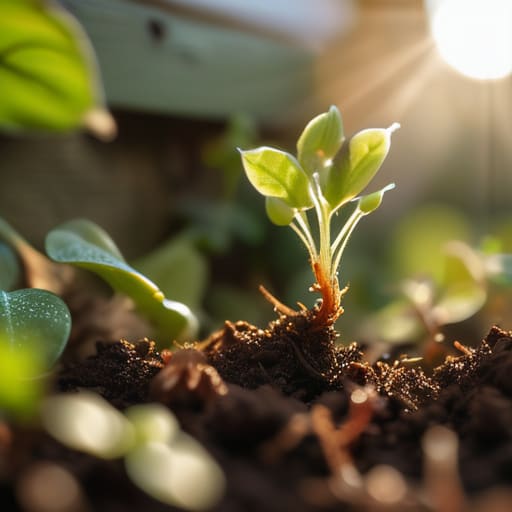
Setting goals is one thing, but actually seeing them bloom into reality is where the real magic happens. To me, sustainability isn’t just about what we buy; it’s about how we show up for ourselves every single day. When we talk about achieving personal milestones, it’s easy to get caught up in the “all or nothing” mentality that often leads to overcoming resolution burnout. Instead of aiming for a total lifestyle overhaul by February, I like to think of my progress like my urban beehives—it’s about consistent, small movements that build toward a much larger, sweeter result.
To keep that momentum steady, I’ve found that integrating simple habit formation strategies into my morning routine makes a world of difference. Rather than viewing a goal as a daunting mountain, try treating it like a DIY project. You wouldn’t try to polish a piece of sea glass in one go; you’d work with it steadily until the edges soften. By focusing on the process rather than just the finish line, we ensure our eco-conscious shifts feel less like chores and more like a natural extension of who we are.
Cultivating Your Green Intentions: 5 Ways to Make Your Goals Stick
- Focus on Micro-Habits over Massive Overhauls. Instead of vowing to “zero waste” overnight—which is a recipe for burnout—aim to swap one single-use plastic item for a reusable alternative this month. Small, steady ripples create the biggest waves.
- Audit Your Digital Footprint. Since we spend so much time in digital spaces, make a goal to curate your feeds. Unfollow the accounts that spark mindless consumerism and follow creators who inspire low-impact, creative living instead.
- Connect Your Goals to Your “Why.” When you set a goal, like composting or biking to work, don’t just write down the action; write down the feeling. Remind yourself of that crisp Maine morning air or the buzz of my urban beehives to keep your motivation grounded in nature.
- Create a “Sustainable Success” Visual. I love using sea glass to decorate my workspace, and it reminds me that beauty comes from patience. Create a visual tracker—maybe a jar where you add a bead for every eco-win—to make your progress feel tangible and beautiful.
- Build a Community of Accountability. Sustainability shouldn’t be a solo trek. Share your intentions with a friend or an online community. Having someone to check in with makes the journey feel less like a chore and more like a shared adventure.
Cultivating Your Path to Lasting Change
Remember that sustainability isn’t about perfection; it’s about the intentionality behind your small, daily wins that eventually ripple outward.
Use the SMART framework not as a rigid rulebook, but as a way to ground your eco-aspirations in reality so they actually stick.
Treat your personal growth like a DIY project—blend your unique style with practical habits to ensure your sustainable journey feels authentic to who you are.
A Ripple Effect of Intent
“New Year’s resolutions shouldn’t feel like heavy burdens we carry; think of them instead as small, intentional seeds. When we plant them with purpose, even the tiniest daily habit can ripple outward, eventually growing into a lush landscape of meaningful change for both ourselves and the planet.”
Jordan Mitchell
Cultivating Your Sustainable Future
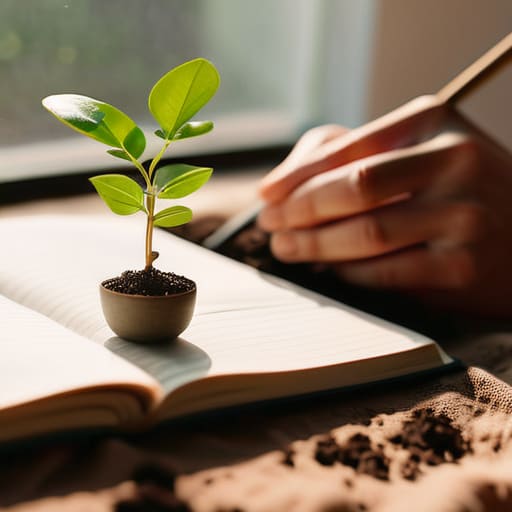
As we wrap up our planning session, remember that the journey toward a more eco-conscious life isn’t about achieving overnight perfection. We’ve explored how the SMART framework can turn vague intentions into actionable steps and how to weave sustainability into your personal style without sacrificing substance. Whether you are focusing on reducing your plastic footprint, starting a small urban garden, or simply being more mindful of your consumption, the key is to remain consistent rather than perfect. By breaking these larger ambitions down into manageable, intentional milestones, you ensure that your environmental goals aren’t just fleeting resolutions, but rather enduring lifestyle shifts that stand the test of time.
Looking ahead, I want you to view this year as a canvas for both personal growth and planetary healing. Just like the sea glass I find on the Maine coast—once jagged and broken, but smoothed into something beautiful by the persistent rhythm of the tides—our small, daily efforts will eventually coalesce into something truly magnificent. Don’t be discouraged by the slow pace of change; even the smallest seed, when nurtured with purpose, has the power to transform an entire landscape. Let’s step into this new year with optimistic reflection and the courage to make choices that honor both our lives and the earth we call home. The tide is turning, and you are a vital part of that movement.
Frequently Asked Questions
How do I stay motivated to stick to my sustainability goals when life gets busy and overwhelming?
When life gets chaotic, don’t aim for perfection—aim for presence. I’ve learned that when the overwhelm hits, it’s better to scale back than to quit entirely. If a full composting system feels like too much this week, just focus on one reusable bag. Think of it like tending to my bees; you can’t force growth, you can only provide the right environment. Be kind to yourself; small, imperfect wins still ripple outward.
Is it better to focus on one big environmental change or several tiny, incremental shifts throughout the year?
Honestly, I’ve found that it’s all about the “ripple effect.” While a massive lifestyle overhaul sounds inspiring, it often leads to burnout. I prefer focusing on several tiny, incremental shifts. Think of it like my urban beehives; you don’t build a colony overnight, you nurture it through small, consistent actions. By mastering a few small habits—like composting or reducing single-use plastics—you build the momentum needed to tackle those bigger, more ambitious environmental milestones later.
How can I track my progress without feeling like I'm turning my eco-friendly lifestyle into a stressful chore?
Think of tracking not as a rigid audit, but as a way to celebrate your wins. Instead of a daunting spreadsheet, try a “joy journal” or a simple habit tracker app that feels more like a digital scrapbook. Focus on the feeling of progress—like the satisfaction of a plastic-free grocery run—rather than just the numbers. Keep it visual, keep it light, and remember: consistency beats perfection every single time.
