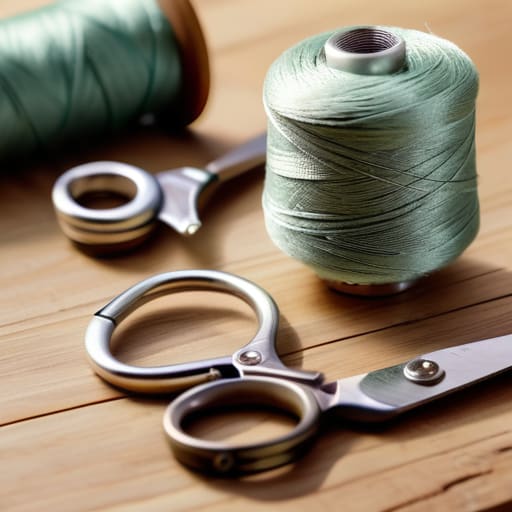
Sewing Basics: Everything a Beginner Needs to Know
I remember sitting on my floor back in Maine, surrounded by a chaotic mountain of mismatched fabric scraps and a sewing machine that felt more like a temperamental beast than a tool. I had this romanticized vision of effortlessly upcycling my wardrobe, but instead, I was staring at a tangled mess of thread and feeling completely defeated. Most tutorials online make it seem like you need a professional studio and a thousand-dollar setup to get started, but let’s be real: the truth about sewing basics for beginners is much more grounded than that. You don’t need a showroom; you just need the courage to make a few messy mistakes along the way.
I’m not here to sell you on a lifestyle of expensive kits or complicated patterns that leave you feeling more frustrated than inspired. My promise to you is simple: I’m going to share the honest, no-nonsense essentials that actually matter when you’re trying to mend a favorite hem or repurpose an old linen shirt. We’re going to strip away the fluff and focus on intentional, practical skills that turn your “trash” into treasures. Let’s stop overcomplicating the process and start stitching a more sustainable future together, one simple seam at a time.
Table of Contents
- Curating Your Creative Sanctuary Sewing Room Setup Essentials
- Mastering the Rhythm How to Thread a Sewing Machine
- Beyond the Machine: Five Heart-Centered Habits for Your Sewing Journey
- Small Stitches, Big Impact: My Top Three Lessons
- ## The Thread That Binds Us
- From First Stitches to a Sustainable Future
- Frequently Asked Questions
Curating Your Creative Sanctuary Sewing Room Setup Essentials
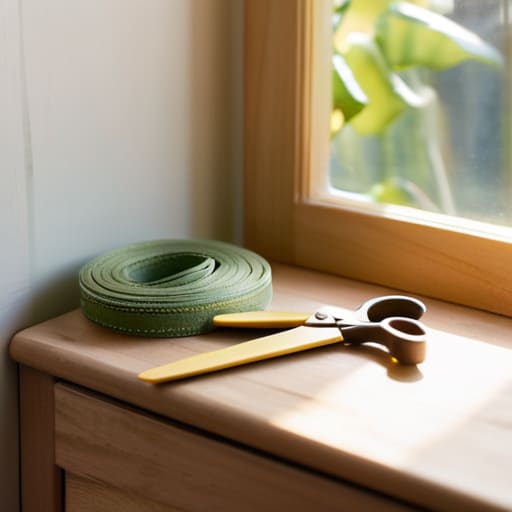
Creating a space for creativity shouldn’t feel like a massive undertaking or a drain on your resources. For me, a workspace is most inspiring when it feels intentional, not cluttered. When thinking about sewing room setup essentials, I always suggest starting with natural light—perhaps near a window where you can watch the birds—and a sturdy, comfortable surface. You don’t need a high-end studio to begin; a simple, organized corner with a few essential sewing machine tools like a good pair of fabric shears and a measuring tape is more than enough to spark your journey.
As you begin to gather your gear, try to focus on quality over quantity to avoid the “fast fashion” mindset in your own craft. Instead of buying every gadget on the market, curate a small kit of multipurpose items. Having a dedicated tray for your needles, pins, and thread can prevent that frantic search mid-project, allowing you to stay in a flow state. Remember, your sanctuary is a reflection of your commitment to slow, mindful creation. By building a space that honors your process, you’re setting the stage for a lifetime of sustainable making.
Mastering the Rhythm How to Thread a Sewing Machine
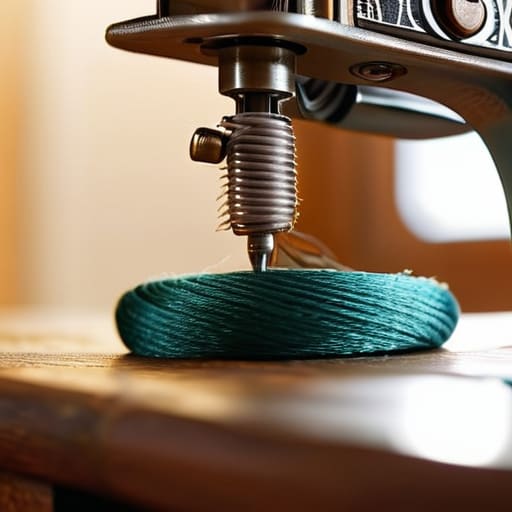
There’s a certain meditative quality to the mechanical rhythm of a sewing machine, but I’ll be the first to admit that the initial setup can feel a bit daunting. If you’ve ever felt that momentary flash of frustration when your thread just won’t cooperate, don’t worry—it’s a rite of passage for every maker. Learning how to thread a sewing machine is less about technical mastery and more about developing a sense of patience and flow. Think of it as setting the stage for your creativity; once the thread is dancing through the tension discs and guides just right, you’re finally ready to let the machine sing.
One of the most common sewing mistakes to avoid is rushing this delicate process. I often tell my clients that skipping a single guide is like trying to navigate the Maine coastline without a compass—you might move, but you won’t end up where you intended. Take a breath, follow the numbered paths on your machine, and ensure the presser foot is up while you work. Once you’ve mastered this rhythm, you’ll find that transitioning into practicing basic sewing stitches for beginners becomes an effortless, almost soulful experience.
Beyond the Machine: Five Heart-Centered Habits for Your Sewing Journey
- Choose your fabrics with intention—start with natural, stable fibers like organic cotton or linen that behave predictably under the needle, rather than jumping straight into tricky silks or synthetics.
- Embrace the beauty of the “oops”—keep a small basket of scrap fabric nearby to practice your stitches on, because every crooked seam is just a stepping stone toward mastering your craft.
- Prioritize quality over quantity by investing in a single, sturdy pair of fabric shears; treating your tools with respect ensures they’ll serve your sustainable mission for years to come.
- Slow down and read the grain—taking an extra moment to align your fabric properly might feel tedious, but it’s a small, mindful way to ensure your handmade pieces drape beautifully and last a lifetime.
- Let your creativity breathe through mending—don’t just sew new things, but use your growing skills to patch and embellish your favorite worn-out pieces, giving them a second life instead of letting them head to the landfill.
Small Stitches, Big Impact: My Top Three Lessons
Focus on quality over quantity by curating a thoughtful toolkit of essentials rather than chasing every new gadget; it’s about making intentional choices that last.
Embrace the learning curve with patience, remembering that mastering the rhythm of your machine is just as much about mindfulness as it is about technical skill.
View every mend and every new creation as a way to honor the life cycle of your clothes, keeping beautiful textiles out of landfills and close to your heart.
## The Thread That Binds Us
“Think of every stitch not just as a way to mend a seam, but as a small, intentional rebellion against a throwaway culture—a way to honor the things we love and weave sustainability into the very fabric of our daily lives.”
Jordan Mitchell
From First Stitches to a Sustainable Future
We’ve covered a lot of ground today, moving from the foundational step of setting up a dedicated creative sanctuary to the rhythmic, meditative process of threading your machine. Remember, mastering these basics isn’t about achieving perfection on your very first try; it’s about building the muscle memory and confidence needed to eventually tackle more complex projects. Whether you are mending a beloved vintage find or crafting something entirely new from organic linen, every successful stitch is a victory for both your creativity and the planet. By focusing on these core skills, you are laying the groundwork for a lifetime of intentional, slow fashion that honors the resources used to make our clothes.
As you close this chapter and pick up your needle, I want you to remember that every single seam you sew is a quiet act of rebellion against the throwaway culture that surrounds us. It might feel like a small thing in the grand scheme of global environmental change, but these tiny, mindful choices ripple outward in ways we can barely imagine. Think of it like the sea glass I find on the Maine coast—it starts as something broken and discarded, but through time and gentle persistence, it becomes something truly beautiful and unique. So, embrace the learning curve, celebrate your progress, and let your creativity become a powerful tool for a greener, more thoughtful world.
Frequently Asked Questions
I’m a bit worried about the waste—how can I choose fabrics that are both beginner-friendly and truly sustainable?
I totally hear you—the “waste guilt” is real when you’re starting out. For your first projects, I’d lean toward organic cotton or linen. They’re incredibly forgiving to sew and breathe beautifully. To keep things eco-chic without breaking the bank, try scouting local thrift stores for high-quality natural fibers. It’s like finding sea glass; you have to look closely, but the reward of repurposing something beautiful is so worth the hunt.
What are some simple ways to upcycle old clothes instead of buying brand-new fabric every time I want to practice?
Instead of reaching for new fabric, look toward your own closet—or even your local thrift shop—as your primary resource. I love turning old denim into durable tote bags or transforming worn-out cotton tees into soft patchwork quilts. You can even use scraps for small projects like scrunchies or reusable produce bags. It’s a beautiful way to honor the life of a garment while keeping textiles out of landfills, one creative stitch at a time.
Is it better to invest in one high-quality machine right away, or should I start with something more basic while I find my rhythm?
Honestly, I’d suggest starting with something basic. Think of it like my first time tending to bees—you don’t need the most expensive hive to learn the rhythm of the colony. A reliable, mid-range machine lets you find your flow and make those inevitable “learning curve” mistakes without the heartbreak of a heavy investment. Once you’ve mastered the fundamentals, you’ll know exactly which high-end features actually serve your unique, sustainable creative vision.
