
How to Build a Sturdy Desk for Under $100
I remember standing in the middle of a big-box furniture aisle last year, staring at a flat-pack desk made of compressed sawdust and toxic glues, feeling a profound sense of disconnect. We’ve been conditioned to believe that creating a functional workspace requires either a massive budget or a professional workshop, but that’s a total myth. Learning how to build a desk isn’t about mastering complex joinery or owning a garage full of heavy machinery; it’s about the intentionality of choosing materials that actually breathe. I realized then that we don’t need more disposable furniture—we need soulful pieces that tell a story of craftsmanship and care.
In this guide, I’m stripping away the intimidation factor to show you how to create a workspace that aligns with your values. I’ll walk you through sourcing salvaged timber, selecting eco-friendly finishes, and using simple tools to assemble a piece that is as sturdy as it is beautiful. This isn’t some polished, unrealistic DIY fantasy; it is a practical roadmap for turning raw, sustainable materials into a sanctuary for your creativity. Let’s get our hands a little dirty and build something that lasts.
Table of Contents
- Step-by-Step Instructions
- Selecting the Best Wood for Office Desks and Sustainable Soul
- Mastering Minimalist Desk Construction With Essential Woodworking Tools for
- Small Shifts, Big Impact: 5 Pro-Tips for a Soulful Build
- Bringing Your Vision to Life: Three Pillars of a Soulful Workspace
- The Soul of the Workspace
- Bringing Your Vision to Life
- Frequently Asked Questions
Guide Overview
Tools & Supplies
- Power Drill for driving screws and pre-drilling holes
- Tape Measure for accurate cutting and placement
- Sandpaper for smoothing wood surfaces
- Level to ensure the desktop is flat
- Wood Desktop (1 piece)
- Wooden Legs or Metal Hairpin Legs (4 pieces)
- Wood Screws (1 box)
- Wood Glue (1 bottle)
Step-by-Step Instructions
- 1. First, let’s scout for our soul—the tabletop. Instead of heading to a big-box retailer for mass-produced particle board, I want you to look for salvaged wood or a solid reclaimed timber slab. Whether it’s an old dining table found at a local estate sale or some beautifully weathered planks from a barn, this piece will be the heartbeat of your workspace. Make sure to clean it thoroughly and sand it down until it feels silky smooth under your fingertips.
- 2. Next, we need to give our desk its foundation. I’m a huge fan of using industrial metal hairpin legs or even sturdy wooden trestles to keep the vibe effortlessly chic. If you’re feeling particularly resourceful, you can even repurpose old wooden crates to create a more rustic, modular look. Just ensure whatever you choose is rated to support the weight of your tabletop so your sanctuary stays rock solid during those long deep-work sessions.
- 3. Now, it’s time to prepare the surface for its finishing touch. This is where we honor the natural grain of the wood. I recommend using a low-VOC (Volatile Organic Compound) oil or a natural beeswax finish. Not only is this much kinder to your indoor air quality, but it also allows the unique character of the wood to truly shine through. Apply the finish in thin, even layers, letting the natural textures breathe.
- 4. While the finish is curing, let’s think about the “digital soul” of the desk: cable management. There is nothing that disrupts a mindful workspace quite like a tangled web of wires. I like to use small, repurposed cork strips or even tiny wooden clips to guide my cords along the underside of the desk. It’s a small, intentional detail that keeps your visual field clutter-free and calm.
- 5. Before you settle in to work, let’s add a bit of personal storytelling to the piece. This is my favorite part—incorporating something meaningful. I often take a few pieces of sea glass I’ve collected and set them into a small, clear resin tray or simply nestle them near my lamp. It’s a tiny way to bring a piece of the coast into your daily routine, turning a functional object into a true reflection of you.
- 6. Finally, set up your ergonomic essentials. A sustainable desk deserves a mindful setup. Arrange your tools—perhaps a recycled paper planner or a ceramic mug—in a way that feels intuitive and balanced. Take a moment to sit in your new creation, breathe, and appreciate the fact that you’ve built something beautifully intentional from the ground up.
Selecting the Best Wood for Office Desks and Sustainable Soul
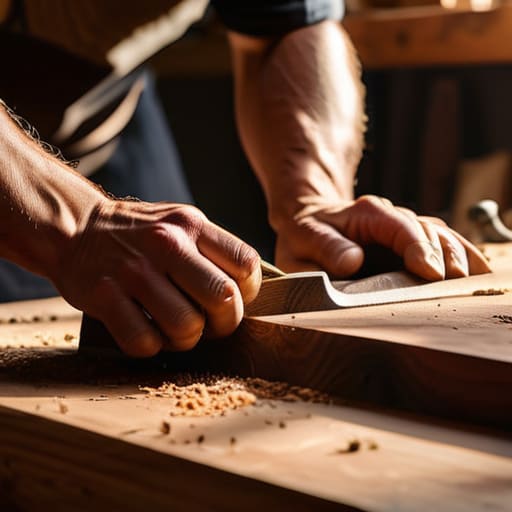
When you’re standing in the lumber aisle or scouring a local salvage yard, the sheer variety of options can feel a bit overwhelming. For me, the process isn’t just about finding a sturdy surface; it’s about finding a material with a story. If you are looking for the best wood for office desks, I always suggest leaning toward hardwoods like oak, walnut, or maple. These species aren’t just durable enough to withstand years of late-night typing sessions, but they also possess a natural grain that brings a sense of calm to a workspace. If you’re working within a tighter budget or following specific minimalist desk construction principles, reclaimed pine or even salvaged pallet wood can offer a stunning, weathered aesthetic that feels deeply connected to the earth.
The real magic happens when you match your material to your specific desk design plans. If you’re aiming for something sleek and modern, a dense, fine-grained wood will allow for those crisp, clean edges. However, if you want your workspace to feel more like a lived-in sanctuary, don’t be afraid of a little character—knots and slight imperfections are just nature’s way of adding soul to your creation.
Mastering Minimalist Desk Construction With Essential Woodworking Tools for

When you’re diving into your first build, it’s easy to feel overwhelmed by the sheer amount of gear available at the hardware store. But honestly? You don’t need a professional workshop to achieve beautiful results. For successful minimalist desk construction, I always recommend starting with a curated kit of essential woodworking tools for beginners: a reliable cordless drill, a high-quality tape measure, and a sharp hand saw. Think of these as your foundational companions—they allow you to work with intention rather than rushing through a cluttered process.
Before you make that first cut, I can’t stress enough the importance of mapping out your custom desk dimensions with precision. It’s tempting to just “eyeball it,” but taking that extra moment to sketch your vision ensures that every joint fits snugly and every surface feels balanced. Whether you are following specific desk design plans or improvising from salvaged timber, a little bit of foresight goes a long way. Remember, the goal isn’t perfection; it’s about creating a purposeful workspace that feels uniquely yours.
Small Shifts, Big Impact: 5 Pro-Tips for a Soulful Build
- Source your materials with intention by scouting local salvage yards or reclaimed wood depots; giving a weathered beam a second life adds a layer of history to your workspace that new timber just can’t replicate.
- Prioritize low-VOC or natural oil finishes, like linseed or beeswax, to ensure that the air you breathe while working remains clean and free from the harsh chemical scents of traditional lacquers.
- Design for longevity rather than trends by focusing on sturdy, classic joinery, which allows you to repair or modify the piece decades from now instead of tossing it into a landfill.
- Don’t overlook the “hidden” details—use recycled metal hardware or even pieces of sea glass I’ve found to accent your drawer pulls, turning a functional desk into a personal piece of art.
- Measure twice and breathe once; building sustainably means being mindful of your resources, so precise planning helps you minimize wood scraps and make the most of every single inch of your chosen material.
Bringing Your Vision to Life: Three Pillars of a Soulful Workspace
Prioritize the story behind your materials; choosing salvaged or FSC-certified wood isn’t just an eco-friendly choice, it’s about infusing your desk with a sense of history and purpose.
Embrace the beauty of simplicity by focusing on essential, high-quality tools; you don’t need a massive workshop to create something meaningful, just a few reliable instruments and a bit of patience.
Design with intention rather than just utility, ensuring your workspace serves as a functional sanctuary that reflects your personal values and respects the natural world.
The Soul of the Workspace
“Building a desk isn’t just about assembling a surface to hold your laptop; it’s about crafting a dedicated sanctuary where intentional design meets reclaimed history, turning a simple piece of furniture into a testament to how we choose to honor the earth in our daily lives.”
Jordan Mitchell
Bringing Your Vision to Life

As we wrap up this journey of creation, take a moment to look at what you’ve accomplished. From the intentionality of selecting reclaimed or sustainably sourced timber to the precision of mastering those essential woodworking tools, you haven’t just built a piece of furniture; you’ve curated a workspace that aligns with your values. By prioritizing material integrity and a minimalist approach, you’ve bypassed the cycle of disposable, mass-produced consumerism. You now have a desk that isn’t just a surface for your laptop, but a testament to the power of purposeful craftsmanship and mindful design.
I hope this project serves as a gentle reminder that the most beautiful things in our lives are often the ones we nurture with our own hands. Every grain of wood you sanded and every joint you fitted is a small victory for a more sustainable way of living. As you sit down to work tomorrow, let this desk be a sanctuary of creativity and a symbol of your commitment to the planet. Remember, change doesn’t always require a grand gesture; sometimes, it starts with the quiet, intentional act of building something that is meant to last a lifetime.
Frequently Asked Questions
How can I ensure the finish I choose is actually non-toxic and safe for my indoor air quality?
This is such a vital question—we often forget that the “new furniture smell” is actually just off-gassing chemicals. To keep your sanctuary truly breathable, steer clear of traditional oil-based varnishes. Instead, look for finishes labeled “Zero-VOC” or “Low-VOC.” I personally love using food-grade linseed oil or beeswax; they’re incredibly gentle, smell like a dream, and honor the natural grain of the wood without compromising the air you breathe.
I'm worried about stability—what's the best way to prevent a DIY desk from wobbling once it's fully assembled?
I totally get that anxiety—there’s nothing more frustrating than a workspace that shudders every time you type. To keep things rock-solid, I always swear by adding a sturdy cross-brace or a simple “X” frame to the back. If you’re leaning into a more minimalist aesthetic, just ensure your legs are securely fastened with heavy-duty L-brackets. It’s those small, intentional structural reinforcements that turn a simple DIY project into a lifelong sanctuary.
Is it possible to incorporate reclaimed materials like old pallet wood without the desk looking too "rustic" or unpolished?
Absolutely, you can definitely avoid that “rough cabin” look! The secret lies in the finish. If you sand that pallet wood down until it’s silky smooth and then apply a matte, clear sealant, you’ll preserve the character without the splintery chaos. I love pairing reclaimed timber with sleek, modern elements—like slim black metal legs or a glass top. It creates this gorgeous, intentional tension between raw history and refined, contemporary design.
