Diy Home Decor Ideas on a Budget
Have you ever walked into a room and felt like something was just… missing? Not a piece of expensive furniture or a designer lamp, but a certain sense of soul. We often fall into the trap of thinking that refreshing our space requires a massive trip to a big-box retailer, often resulting in more plastic waste and cluttered shelves. But I’ve learned that the most beautiful homes aren’t bought; they are curated with intention. Finding meaningful diy home decor ideas isn’t just about filling empty corners; it’s about bridging the gap between our modern lives and the natural world we often leave behind.
In this post, I’m pulling back the curtain on five of my favorite ways to breathe new life into your sanctuary without breaking the bank or the planet. We’re going to move beyond the superficial and dive into projects that turn forgotten treasures into intentional statements of style. From repurposing weathered textures to crafting organic accents, these five ideas will show you exactly how to transform your living space into a sustainable retreat that feels uniquely, beautifully yours.
Table of Contents
Sea Glass Luminaries
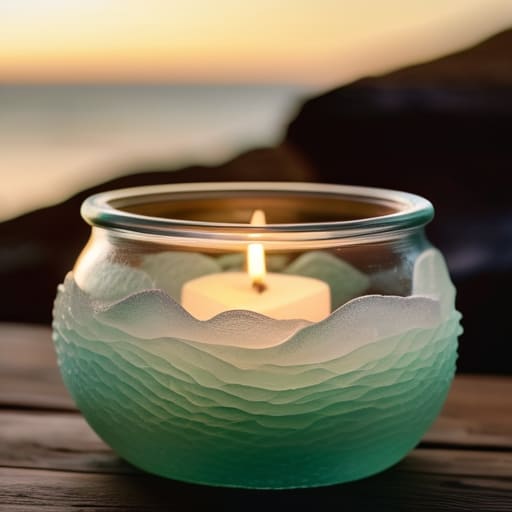
There is something incredibly grounding about finding a piece of frosted sea glass tucked away in the sand. During my walks along the Maine coast, I’ve learned that these little fragments of history carry a certain quiet magic that mass-produced decor simply cannot replicate. By repurposing old glass jars and adhering your collected sea glass to the exterior, you can create luminaries that cast a soft, ethereal glow across your room.
Botanical Pressed Art
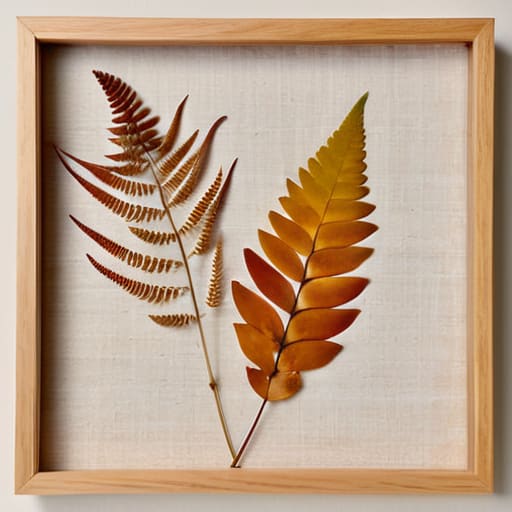
We often spend so much time looking at screens that we forget the intricate beauty of the natural world right outside our windows. I love the idea of capturing that fleeting beauty through pressed botanical art. Instead of buying plastic-heavy wall hangings, try gathering fallen leaves, wildflowers, or even interesting ferns from your local park and pressing them between the pages of a heavy book.
Upcycled Textile Wall Hangings
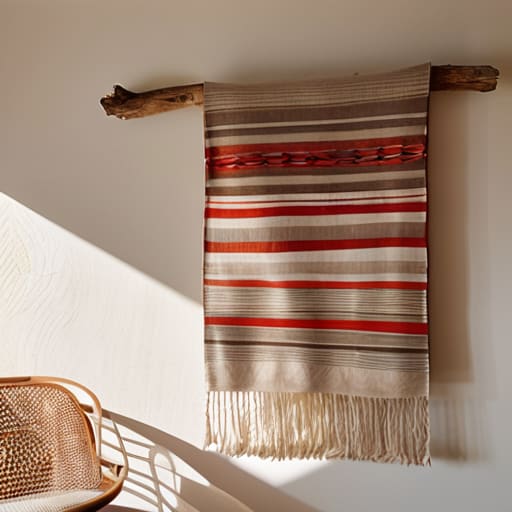
As someone who values both style and substance, I find that the “fast fashion” cycle is one of the biggest hurdles to a sustainable lifestyle. However, we can turn that tide by looking at our old textiles through a creative lens. If you have an old linen shirt or a cotton scarf with a pattern you still love, don’t let it end up in a landfill; transform it into a textured wall hanging.
Terrarium Ecosystems
If you’re someone like me who finds peace in the tiny details of nature, then building a DIY terrarium is an absolute must. These miniature worlds act as tiny, self-sustaining ecosystems that bring a lush, vibrant energy to even the smallest apartment. By using a large glass vessel—perhaps an old pickle jar or a unique carafe you found at a flea market—you can design a tiny forest of your own.
Driftwood Statement Pieces
There is a rugged, sculptural quality to driftwood that no designer store could ever truly mimic. Whenever I find a particularly interesting branch washed up on the shore, I can’t help but see its potential as a piece of art. You don’t need to be a master carpenter to use driftwood; sometimes, the most impactful decor is the kind that requires the least amount of intervention.
Bringing the Soul of Sustainability Home
Remember that true style isn’t about buying something new; it’s about seeing the hidden potential in the objects you already own and giving them a second life.
Let your decor reflect your values by choosing materials that honor the planet, turning your living space into a sanctuary that feels both intentional and deeply connected to nature.
Don’t aim for perfection—embrace the beautiful imperfections of repurposed items, because every small, creative choice you make is a win for both your home and the Earth.
The Soul of a Sustainable Home
“True home decor isn’t about filling a space with things; it’s about curating a sanctuary with intention, where every repurposed treasure tells a story of respect for our planet and a celebration of the beauty found in the imperfect.”
Jordan Mitchell
Creating Your Own Sustainable Sanctuary
As we’ve explored today, transforming your living space doesn’t require a massive budget or a trip to a big-box retailer. Whether you’re breathing new life into old glass jars, weaving together natural textures, or repurposing forgotten textiles, the goal is to honor the materials we already have. By choosing to DIY your decor, you aren’t just decorating a room; you are actively reducing waste and curating a home that tells a story of intentionality. Each of these five projects serves as a gentle reminder that style and sustainability can, and should, walk hand in hand.
Ultimately, I want you to remember that your home is a reflection of your values. It’s okay if your space isn’t “picture-perfect” in the traditional sense; there is a much deeper, more profound beauty in a home that feels lived-in and ecologically conscious. Every time you choose to upcycle rather than replace, you are casting a vote for the kind of world you want to inhabit. So, grab those old containers, find some inspiration in the textures of the natural world, and start transforming your space one small, beautiful project at a time. I can’t wait to see what you create.
Frequently Asked Questions
How can I make sure my DIY decor actually looks "eco-chic" rather than just looking like a collection of clutter?
That is such a common worry, and honestly, I’ve been there! The secret to avoiding “clutter creep” is intentionality. Think of your space as a curated gallery rather than a storage unit. Stick to a cohesive color palette—maybe some sandy neutrals or forest greens—and prioritize quality over quantity. When you choose pieces that have a clear purpose or a beautiful, singular texture, like a smooth piece of sea glass, it feels like a design choice, not just more stuff.
Are there specific non-toxic paints or finishes I should look for to ensure my upcycled projects are truly safe for my indoor air quality?
That is such a thoughtful question—honestly, it’s the detail that turns a simple project into a truly mindful one. To keep your indoor air quality pristine, I always steer clear of anything with high VOCs (Volatile Organic Compounds). Look for labels like “Zero-VOC” or “Low-VOC.” Natural milk paints, beeswax finishes, or even simple linseed oil are my go-tos. They honor the materials and ensure your beautiful new decor isn’t off-gassing anything harmful into your sanctuary.
I love the idea of repurposing, but where is the best place to source high-quality secondhand materials without it feeling like a massive chore?
I totally get that—sourcing shouldn’t feel like a second job! My favorite “low-effort, high-reward” hack is following local estate sale apps or even Facebook Marketplace, but with specific keyword alerts set up. It brings the treasures to you. Also, don’t overlook local community “Buy Nothing” groups; they’re absolute goldmines for quality materials. It turns the hunt into a rewarding scavenger hunt rather than a chore, keeping that creative momentum flowing.
