The Essential Tools Every Diy Beginner Needs
I remember standing in the middle of a massive home improvement aisle last spring, feeling completely overwhelmed by the neon-colored aisles of high-tech gadgets and “must-have” power kits that cost more than my monthly grocery budget. It felt like the industry was trying to convince me that I couldn’t be a maker unless I owned a motorized workshop. Honestly, the sheer amount of plastic waste and unnecessary hype surrounding essential tools for diy is enough to make any eco-conscious soul want to walk away. We don’t need a gadget for every single task; sometimes, we just need the right tools that are built to last and won’t end up in a landfill by next season.
I’m not here to sell you on a lifestyle of mindless consumption or fancy, overpriced hardware. Instead, I want to share a curated, no-nonsense guide to the foundational items that actually matter—the kind of gear that helps you create something beautiful and sustainable without breaking the bank or the planet. My goal is to help you build a mindful toolkit that empowers your creativity and respects your resources. Let’s cut through the noise and focus on the practical essentials that will actually fuel your next meaningful project.
Table of Contents
- Building Your First Sustainable Home Improvement Starter Kit
- Hand Tools vs Power Tools Choosing Your Creative Rhythm
- Small Shifts, Big Impact: 5 Mindful Tips for Curating Your Tool Collection
- Making Your Mark: Three Lessons for the Mindful Maker
- The Soul of the Craft
- From Tools to Transformation
- Frequently Asked Questions
Building Your First Sustainable Home Improvement Starter Kit
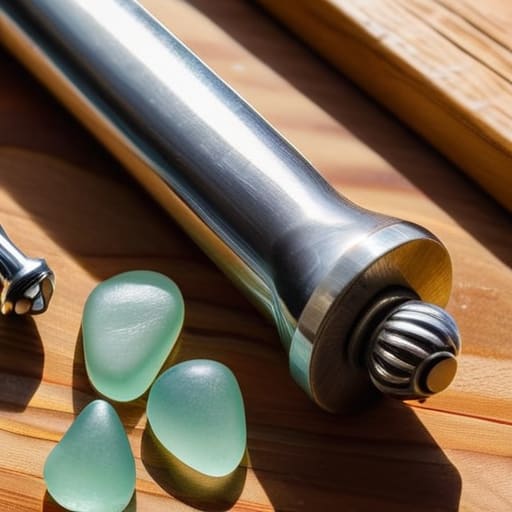
When you’re first starting out, the temptation to rush into the hardware store and grab every shiny gadget on the shelf is real. But I’ve learned through my own journey—and plenty of trial and error with my sea glass mosaics—that a thoughtful home improvement starter kit is much more effective than a cluttered toolbox. Instead of buying everything at once, focus on versatile pieces that serve multiple purposes. Think of it as curating a collection rather than just shopping; you want items that feel like an extension of your creative intent, helping you mend, create, and maintain your space with minimal waste.
As you begin to assemble your kit, you’ll eventually face the classic debate of hand tools vs power tools. While a high-tech drill is undeniably satisfying, I always advocate for mastering the basics first. High-quality manual tools, like a sturdy hammer, a precision screwdriver set, and a reliable tape measure, offer a level of control and connection to your work that electricity sometimes obscures. Investing in these foundational pieces ensures you have the reliable household repair essentials needed to breathe new life into old furniture or fix a loose cabinet hinge, all while keeping your environmental footprint small.
Hand Tools vs Power Tools Choosing Your Creative Rhythm
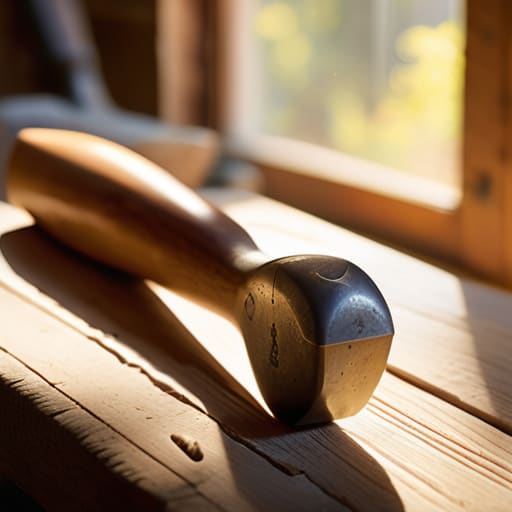
When you’re standing in the middle of a hardware aisle, it’s easy to feel overwhelmed by the sheer noise of the power tool section. But here’s a little secret from my time transitioning from digital media to hands-on conservation: more isn’t always better. When debating hand tools vs power tools, I always encourage looking at the rhythm of your project. Hand tools, like a sturdy hammer or a precision screwdriver, offer a tactile, meditative connection to your work. They are quiet, sustainable, and perfect for those slow Sunday afternoons when you want to focus on the fine details of a repair.
On the other hand, if you’re looking to tackle larger transformations—maybe building a raised garden bed or a new bookshelf—investing in a few pieces of beginner woodworking equipment can save you immense physical effort. Power tools bring speed and efficiency, which is great for momentum, but they do require a steeper learning curve and more mindful maintenance. My advice? Start with a foundation of high-quality manual tools to master the basics, then slowly layer in electric options as your confidence grows. It’s all about finding that perfect balance between intentional craftsmanship and modern efficiency.
Small Shifts, Big Impact: 5 Mindful Tips for Curating Your Tool Collection
- Prioritize quality over quantity to reduce waste; investing in one well-made, durable tool is far more sustainable than buying a cheap plastic version that will inevitably end up in a landfill when it breaks.
- Embrace the beauty of secondhand finds by scouring local thrift stores or online marketplaces, which breathes new life into pre-loved tools and keeps perfectly functional items out of the waste stream.
- Think about the long-term lifecycle of your projects by choosing tools that are repairable rather than disposable, ensuring your creative journey remains as eco-conscious as possible.
- Practice mindful organization with repurposed containers—I love using old glass jars or wooden crates to keep my workspace tidy, proving that even your storage can be a reflection of your sustainable values.
- Always ask yourself “Do I really need this?” before making a purchase, leaning into the philosophy that a minimalist, intentional toolkit is often much more powerful than a cluttered one.
Making Your Mark: Three Lessons for the Mindful Maker
Prioritize quality over quantity by investing in durable, well-made tools that can be repaired rather than replaced, reducing long-term waste.
Align your tool selection with your personal creative rhythm, balancing the tactile connection of hand tools with the efficiency of power tools to find your unique flow.
Remember that sustainability isn’t about perfection; it’s about starting with the resources you have and letting each intentional project fuel your journey toward a more eco-conscious lifestyle.
The Soul of the Craft
“The right tools aren’t just about utility; they are the bridge between a mindful intention and a tangible impact, allowing us to reshape our world one purposeful, handcrafted detail at a time.”
Jordan Mitchell
From Tools to Transformation
As we wrap up this guide, remember that building your sustainable DIY toolkit isn’t about amassing a mountain of plastic-heavy equipment; it’s about curating a collection of purposeful, high-quality essentials that stand the test of time. Whether you’ve decided to lean into the tactile rhythm of manual hand tools or you’re ready to harness the efficiency of power tools, the goal remains the same: to create with intention. By choosing tools that are durable, repairable, and sourced responsibly, you are already making a profound statement against the “throwaway culture” that so often plagues our modern world. You now have the foundational knowledge to bridge the gap between thoughtful planning and hands-on creation.
Ultimately, the most important tool you possess isn’t something you can find in a hardware store—it’s your own curiosity and your willingness to learn through trial and error. Every time you pick up a hammer or a screwdriver to mend something old or build something new, you are participating in a beautiful act of stewardship. Don’t be afraid to make mistakes; even my most ambitious sea glass mosaics started with a few clumsy attempts. Just keep showing up, keep creating, and remember that every small, intentional project is a stepping stone toward a more resilient and beautiful planet. Let’s get to work.
Frequently Asked Questions
How can I source high-quality, secondhand tools without sacrificing reliability or safety?
Finding reliable secondhand tools is a bit like hunting for the perfect piece of sea glass—it requires patience and a keen eye. I love scouring local estate sales and community tool libraries; you often find vintage, heavy-duty steel tools that outlast anything modern. When you do find a gem, just do a quick “safety check”: look for frayed cords, test the tension, and ensure there’s no excessive rust. It’s about breathing new life into quality craftsmanship.
Are there specific eco-friendly materials I should look for when choosing my first set of DIY supplies?
When you’re sourcing supplies, think like a curator of the Earth. Look for tools crafted from FSC-certified wood or recycled metals rather than cheap, virgin plastics that end up in landfills. I’m a huge advocate for sourcing second-hand; a vintage hammer from a local thrift shop often has more soul—and better durability—than a brand-new one. Prioritize brands that offer repairability, ensuring your kit becomes a lifelong companion rather than disposable clutter.
For someone living in a smaller urban space, what are the most versatile, space-saving tools I should prioritize?
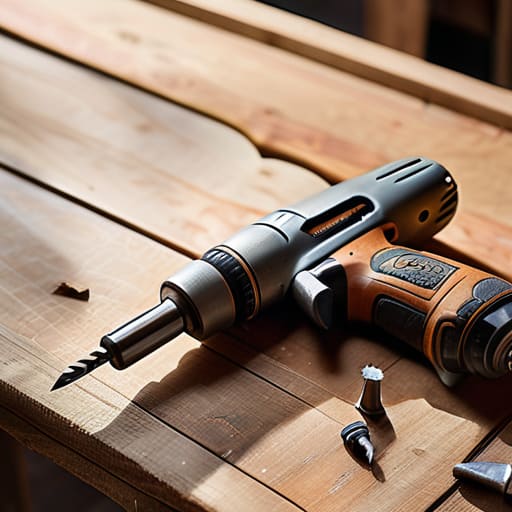
When you’re navigating the beautiful constraints of urban living, it’s all about quality over quantity. I always recommend prioritizing a compact, high-quality cordless drill—it’s a total game-changer for small spaces. Pair that with a multi-bit screwdriver and a reliable measuring tape. These essentials take up minimal real estate in a drawer but give you the versatility to tackle everything from hanging reclaimed wood art to assembling flat-pack furniture without the clutter.
