Upcycling Furniture Ideas That Look Expensive
Have you ever looked at that scratched-up wooden side table or that outdated mid-century chair and felt a pang of guilt at the thought of sending it to the landfill? We’ve all been there, caught in that cycle of fast furniture consumption that feels so easy but leaves such a heavy footprint on our planet. I truly believe that our homes should tell a story of intention rather than just being a collection of disposable goods. Finding creative upcycling furniture ideas isn’t just about saving a few dollars; it’s about reclaiming the soul of an object and honoring the resources that went into making it.
In this post, I’m pulling back the curtain on my favorite ways to breathe new life into the forgotten pieces gathering dust in your guest room or garage. I’ve curated five distinct projects that blend a bit of that eco-chic aesthetic I love with practical, doable steps you can tackle this weekend. From subtle textural shifts to bold, transformative makeovers, you’re going to discover how to turn “trash” into intentional treasures. Let’s dive in and start transforming your space into a sanctuary that feels as good as it looks.
Table of Contents
- The Coastal Charm of Sea Glass Accents
- Botanical Bliss with Chalk Paint
- Reimagined Shelving from Vintage Crates
- The Statement Mirror Makeover
- Mid-Century Modern Revived
- Small Shifts, Big Waves: Carrying the Spirit of Upcycling Forward
- The Soul of Second Chances
- From Vision to Reality
- Frequently Asked Questions
The Coastal Charm of Sea Glass Accents
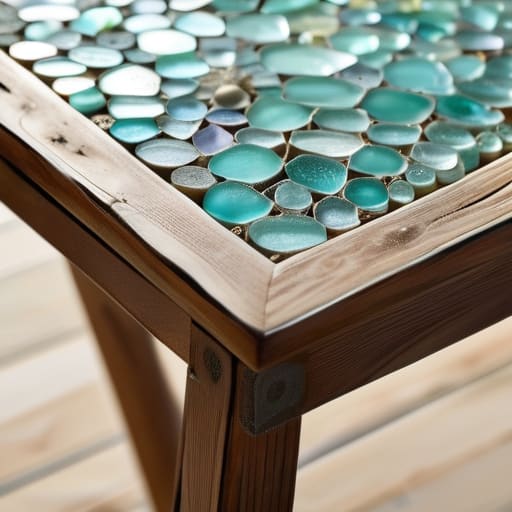
We’ve all been there—staring at a tired, scratched-up wooden side table that just doesn’t fit the vibe of your space anymore. Instead of letting it head to the landfill, why not lean into that coastal Maine aesthetic I love so much? By sourcing some beautiful pieces of sea glass from your local beach, you can create stunning, inlaid mosaic patterns on the tabletop. It’s a way to literally bring a piece of the ocean into your living room while giving a piece of furniture a second life.
Botanical Bliss with Chalk Paint
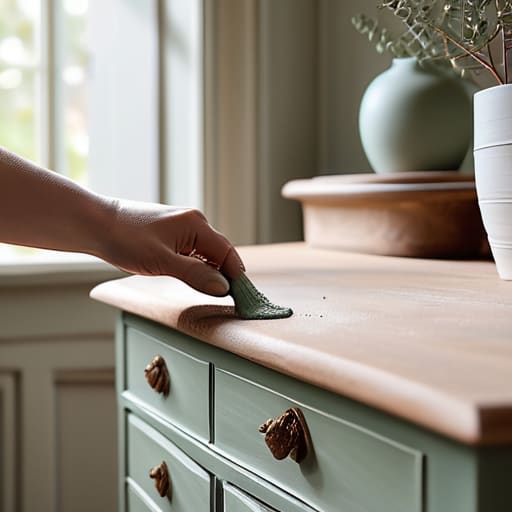
If you have an old dresser or a set of mismatched nightstands lurking in the guest room, a fresh coat of paint can work absolute magic. I’m particularly fond of using chalk paint because it’s low in VOCs and requires much less sanding than traditional enamels, making it a win for both your lungs and the planet. Choosing soft, earthy tones like sage green or a muted terracotta can instantly ground your room and create a serene, nature-inspired sanctuary.
Reimagined Shelving from Vintage Crates
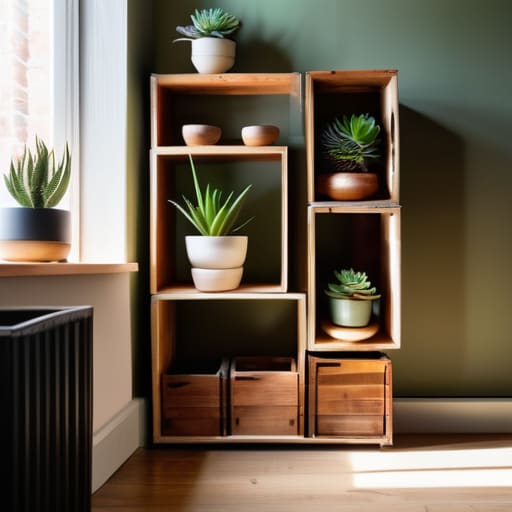
There is something so incredibly satisfying about finding old wooden crates at a local market and seeing their hidden potential. Instead of letting them gather dust, you can stack and secure them to create a modular shelving unit that fits perfectly into an urban apartment or a cozy corner of your home. This approach is the epitome of innovative resourcefulness, allowing you to build custom storage that adapts to your changing needs.
The Statement Mirror Makeover
We often overlook the frames of old mirrors, assuming they are too far gone to be useful. However, a plain, dated mirror frame is actually the perfect canvas for a bit of creative expression. I love taking old, ornate frames and giving them a contemporary edge by using a technique called “decoupage” with recycled paper or even thin strips of reclaimed fabric. It’s an easy way to inject some digital-age flair into a classic piece.
Mid-Century Modern Revived
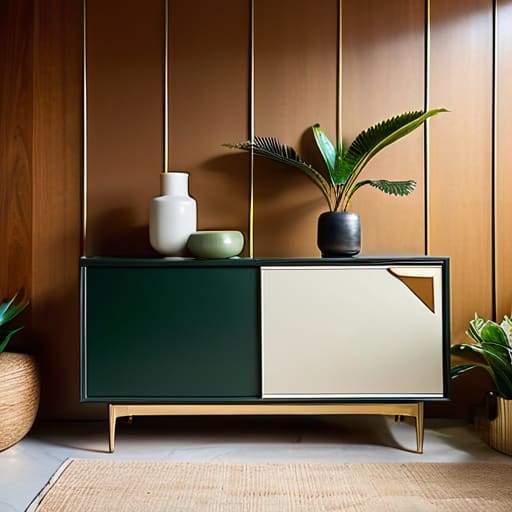
It is so easy to get swept up in the trend of buying new “modern” furniture, but some of the best designs are already out there, just waiting for a little TLC. If you stumble upon a piece with those iconic, tapered legs, you’ve struck gold. The key to a successful mid-century revival is to preserve the integrity of the original wood while refreshing its finish. A simple deep clean and a light application of lemon oil can bring back that warm, sophisticated glow.
Small Shifts, Big Waves: Carrying the Spirit of Upcycling Forward
Remember that upcycling isn’t about perfection; it’s about seeing the hidden potential in what we already own and choosing to honor its history rather than contributing to a landfill.
Let your personal style guide your projects—whether it’s a sleek modern finish or a rustic, sea-glass-inspired aesthetic, your home should reflect your values and your unique story.
Every piece of furniture you rescue is a small, intentional victory for our planet, proving that we can live beautifully without compromising the health of our coastal homes and wild spaces.
The Soul of Second Chances
“Upcycling isn’t just about saving a piece of wood from a landfill; it’s about seeing the hidden potential in what others have cast aside and giving it a second life that honors both our personal style and the rhythm of the planet.”
Jordan Mitchell
From Vision to Reality
As we’ve explored today, upcycling isn’t just about saving a few dollars or clearing out the garage; it’s about seeing the untapped potential in the objects that already surround us. Whether you decided to breathe new life into a weathered wooden dresser, transform a vintage chair with vibrant eco-friendly paint, or repurpose old crates into modular shelving, you’ve taken a tangible step toward a more circular lifestyle. Each of these projects proves that we don’t need to rely on the endless cycle of fast furniture to create a home that feels curated and soulful. By choosing to repair and reinvent rather than replace, you are actively reducing waste and honoring the history of the materials you bring into your space.
Ultimately, I want you to remember that sustainability isn’t about achieving perfection; it’s about the beautiful, messy process of intentional living. Every time you pick up a sandpaper block or a paintbrush instead of heading to a big-box retailer, you are casting a vote for the kind of world you want to inhabit. It might start with a single small project, but these tiny victories ripple outward, shifting our collective culture away from mindless consumption. So, grab that old piece of furniture sitting in the corner, trust your creative instincts, and let’s turn the tide together—one meaningful transformation at a time.
Frequently Asked Questions
How can I tell if an old piece of furniture is actually high-quality enough to be worth the effort of upcycling?
It’s a great question—and honestly, I’ve spent many a weekend at flea markets asking myself the same thing. My rule of thumb? Look for the “bones.” Avoid anything held together by staples or particle board, which tends to crumble once you try to sand it. Instead, hunt for solid wood, dovetail joints in drawers, and heavy brass hardware. If it feels substantial and the craftsmanship tells a story, it’s absolutely worth the love and labor.
What are some beginner-friendly tools I should invest in to ensure my DIY projects look professional rather than cluttered?
To keep your projects looking polished rather than chaotic, I’d suggest starting with a solid cordless drill—it’s a total game-changer for precision. A high-quality sanding block and a set of varied sandpaper grits will ensure those surfaces feel as smooth as sea glass. Lastly, don’t underestimate a good level and a measuring tape; intentionality is the secret ingredient to that professional, intentional aesthetic we’re all striving for. Small investments, huge impact!
Are there specific eco-friendly paints or finishes you recommend that won't release harmful VOCs into my home?
That is such a vital question! When you’re breathing the air in your own sanctuary, you want to ensure it’s as pure as a Maine morning. I always steer my clients toward Zero-VOC or Low-VOC paints—brands like Sherwin-Williams Harmony or Benjamin Moore Natura are fantastic. For a more natural, tactile finish, I’m also loving milk paints or beeswax polishes. They’re incredibly gentle on the planet and keep your home’s atmosphere wonderfully clean.
