
How to Build Self-discipline When Motivation Fails
I remember sitting on a weathered pier back in Maine, watching the tide pull away from the shore, and realizing that my attempts at self-improvement were just as fleeting as the foam on the waves. I used to think that learning how to be more disciplined required some massive, overnight transformation—the kind of aggressive, “hustle-culture” overhaul you see all over social media. But honestly? That approach is as artificial as a plastic beach toy. We’ve been sold this myth that discipline is about sheer willpower and punishing ourselves into productivity, when in reality, it’s much more like tending to a coastal garden; it’s about the quiet, consistent rhythms that sustain growth over time.
I’m not here to sell you a flashy 30-day bootcamp or a complex productivity system that feels more like a chore than a lifestyle. Instead, I want to share the practical, grounded strategies I’ve used to bridge the gap between my environmental consulting work and my digital creative projects. I promise to show you how to build sustainable momentum through small, intentional shifts that actually stick. We’re going to move past the hype and focus on how to align your daily habits with a life of genuine purpose and impact.
Table of Contents
- Mastering Habit Formation Strategies for Lasting Impact
- Developing Willpower and Self Control Like Coastal Resilience
- Small Ripples, Big Waves: My Blueprint for Sustainable Discipline
- 🌱 Small Ripples, Big Waves: Your Sustainable Path to Discipline
- The Rhythm of Resilience
- The Path Forward: From Discipline to Purpose
- Frequently Asked Questions
Mastering Habit Formation Strategies for Lasting Impact
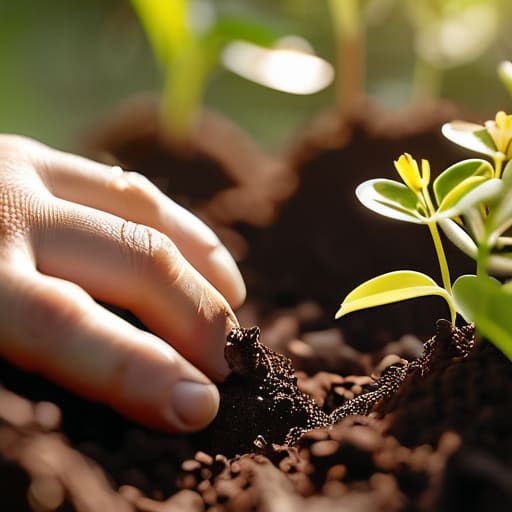
When we talk about long-term change, we aren’t talking about a sudden, massive overhaul of our lives. That’s a recipe for burnout. Instead, think of it like tending to my beehives; you don’t just drop a hive in a garden and expect honey tomorrow. You have to nurture the environment, one small step at a time. Effective habit formation strategies rely on this same principle of incremental growth. Rather than trying to overhaul your entire existence overnight, focus on “habit stacking”—attaching a new, eco-conscious intention to something you already do instinctively, like mindful breathing while your morning coffee brews.
The real challenge, however, lies in the moments when motivation wanes. This is where developing willpower and self-control becomes less about brute force and more about designing your surroundings for success. If you want to stick to a new routine, remove the friction. If you’re trying to reduce plastic use, keep your reusable bags right by the front door. By making the sustainable choice the easiest choice, you aren’t just fighting against your impulses; you are building a lifestyle that feels effortless and aligned with your core values.
Developing Willpower and Self Control Like Coastal Resilience

When I think about the rugged coastline of my Maine childhood, I’m often struck by how the cliffs don’t just survive the Atlantic storms—they are shaped by them. Developing willpower and self-control isn’t about being an immovable object; it’s about building that same kind of internal structural integrity. Just as the salt spray and wind weather the rocks into something beautiful and enduring, our personal challenges act as the natural forces that refine our character. We shouldn’t view a moment of weakness as a failure, but rather as a chance to practice mental toughness training in real-time.
True resilience comes from how we respond when the tide pulls us away from our intentions. Instead of letting a setback derail your entire week, try viewing it as a temporary ebb in the tide. By implementing specific overcoming procrastination techniques—like the “five-minute rule” where you commit to a task for just a moment—you create small breakers that protect your momentum. It’s about building a steady, rhythmic strength that allows you to weather the occasional storm without losing sight of the horizon.
Small Ripples, Big Waves: My Blueprint for Sustainable Discipline
- Curate Your Environment Like a Coastal Sanctuary: It’s much harder to stay disciplined when your surroundings are cluttered with distractions. Just as I clear the sand from my sea glass before a DIY project, clear your digital and physical workspace of anything that pulls you away from your intentions. When your environment supports your goals, discipline feels less like a fight and more like a natural flow.
- The “Micro-Action” Method: We often fail because we try to overhaul our entire lives overnight, which is as unsustainable as a flash flood. Instead, focus on the smallest possible version of your habit. If you want to start a morning routine, start with just five minutes of mindful breathing. These tiny, manageable wins build the momentum needed for long-term change.
- Design Your “Eco-System” of Accountability: In urban beekeeping, everything relies on the health of the hive. Discipline shouldn’t be a solo trek. Find a community, a mentor, or even a digital group that shares your values. When you share your intentions with others, you create a social ecosystem that encourages you to stay the course even when your individual willpower dips.
- Practice “Intentional Rest” to Prevent Burnout: True sustainability applies to your energy, too. You can’t be disciplined if you’re running on empty. I’ve learned that scheduled downtime isn’t “laziness”—it’s essential maintenance. Think of it like a fallow field; letting your mind rest allows you to return to your tasks with renewed focus and a much sharper sense of purpose.
- Audit Your Energy, Not Just Your Time: We often try to force discipline during our lowest energy periods. Instead, observe your natural rhythms. Are you most focused at sunrise, or do you find your stride in the quiet of the evening? Align your most demanding, disciplined tasks with your peak energy windows to make progress feel effortless rather than forced.
🌱 Small Ripples, Big Waves: Your Sustainable Path to Discipline
View discipline not as a rigid cage, but as a way to cultivate your personal ecosystem; when you nurture small, daily habits with intention, you create a resilient foundation for long-term growth.
Embrace the ebb and flow of your willpower like the Maine tides—some days will feel powerful and others will recede, but consistency lies in returning to your practice, not in achieving perfection.
Connect your self-control to a larger purpose, remembering that every disciplined choice is a small, meaningful victory for both your personal evolution and the world we share.
The Rhythm of Resilience
Discipline isn’t about rigid control or punishing yourself; it’s more like the steady, rhythmic pull of the tide—it’s the quiet, consistent commitment to showing up for your intentions, even when the waters feel heavy.
Jordan Mitchell
The Path Forward: From Discipline to Purpose
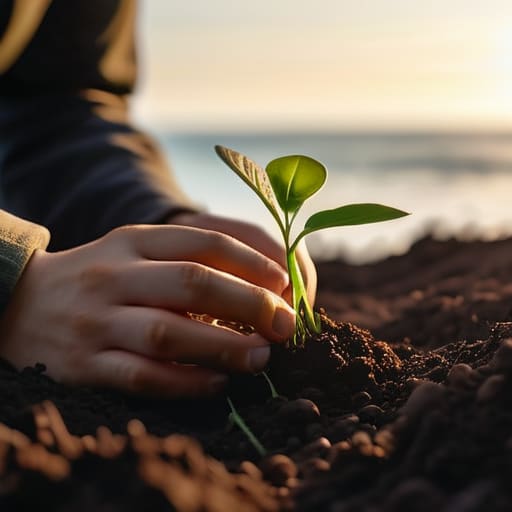
As we wrap up this journey, remember that true discipline isn’t about punishing yourself into submission or following a rigid, joyless schedule. It’s about the synergy between the habit formation strategies we discussed and that inner, coastal-like resilience that keeps you steady when the tides of life get rough. Whether you are refining your daily routines to reduce waste or building the willpower to stick to a new, eco-conscious lifestyle, the goal is consistency over perfection. By treating your intentions with the same care you’d give a budding garden, you transform discipline from a chore into a foundational pillar of your personal growth.
Ultimately, I want you to look at your journey toward discipline much like I look at a piece of weathered sea glass. It starts as something raw and perhaps a bit jagged, but through the constant, rhythmic movement of daily effort and intentional choice, it becomes something polished, beautiful, and unique. Don’t get discouraged by the days when your willpower feels low; just focus on the next small, meaningful action. Every intentional step you take is a vote for the person you are becoming and the healthier planet we are building together. Keep moving forward, one purposeful habit at a time.
Frequently Asked Questions
How do I stay disciplined when I'm feeling completely burnt out or emotionally drained?
When the tide pulls back and you’re feeling emotionally drained, trying to force discipline is like trying to plant seeds in frozen ground—it just won’t take. In those moments, true discipline isn’t about pushing harder; it’s about the wisdom to pivot. Shift your focus from “doing more” to “protecting your energy.” Scale back to your absolute essentials and prioritize restorative rest. Sometimes, the most disciplined thing you can do for your long-term mission is to pause.
Can you share some eco-friendly ways to track my progress without relying on plastic-heavy gadgets or excessive screen time?
I love this question. To avoid that digital fatigue and plastic waste, I always lean into tactile, analog methods. Try a simple linen-bound journal or even a recycled paper planner; there’s something grounding about physically crossing off a goal. If you want something more visual, I’ve been using a glass jar filled with smooth sea glass—drop one in every time you hit a milestone. It’s a beautiful, zero-waste way to see your progress bloom.
What do I do when I experience a setback—how do I get back on track without feeling like I've failed my environmental or personal goals?
Think of a setback not as a failure, but as a bit of rough surf hitting the shoreline. It’s natural; it’s part of the ecosystem. When you stumble, don’t let the guilt paralyze you. Instead, practice “radical grace.” Just as I wouldn’t abandon a garden because of one storm, don’t abandon your goals because of one off day. Take a breath, reassess your rhythm, and simply start again with the next small, intentional choice.
